Development
Websites, apps and platforms that keep up as you grow.
For teams running on spreadsheets, legacy templates or systems that don't talk to each other. Design and development sit in one team here, so what gets designed is what ships.
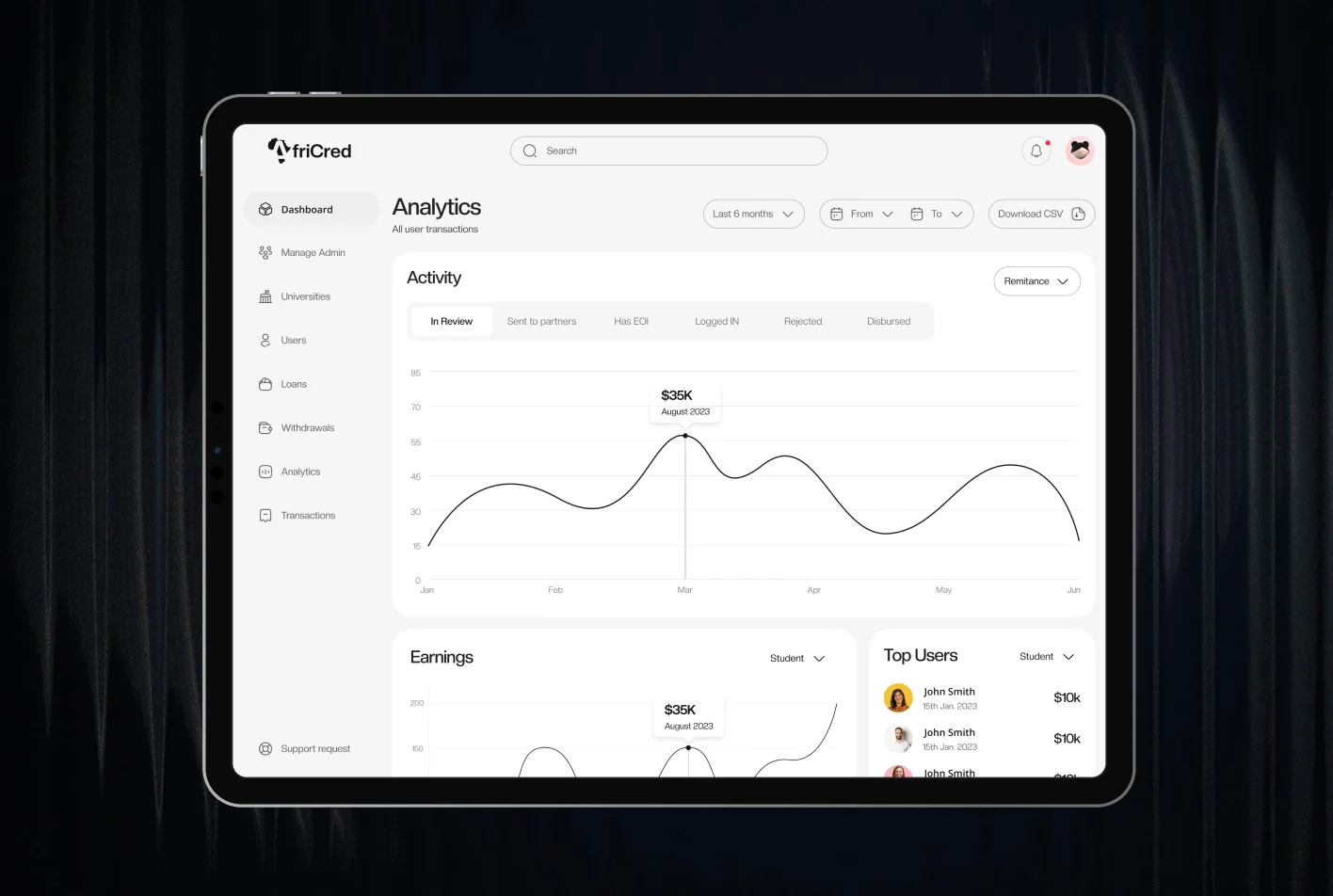
4.5 months
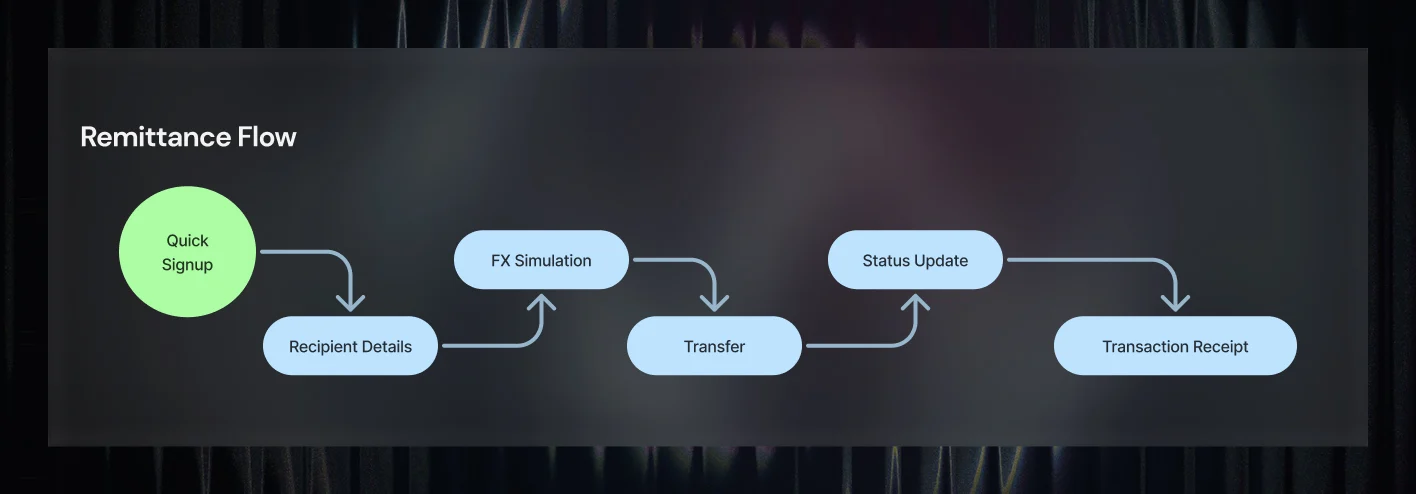
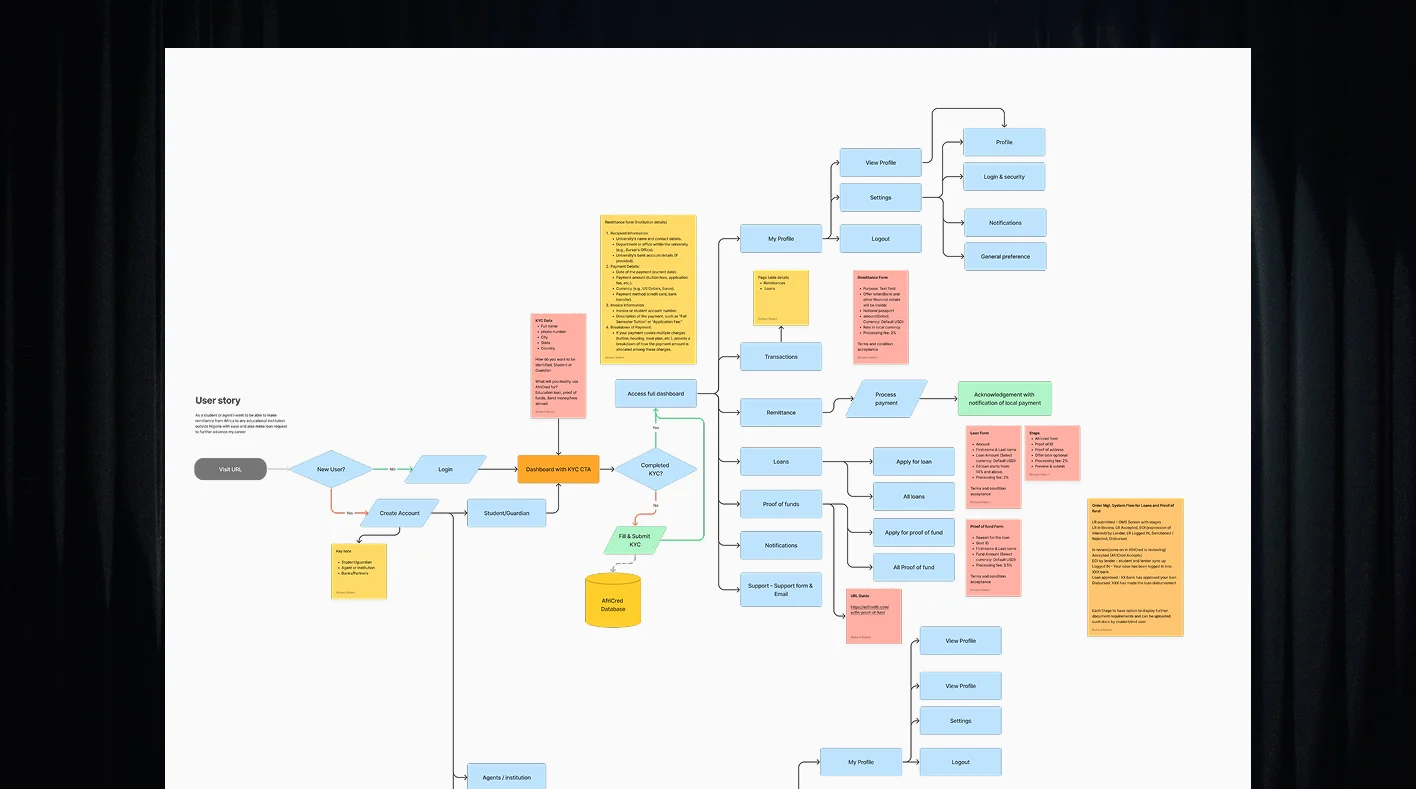
for AfriCred, from idea to MVP
The problem
When the technology is what's slowing you down.
- 01
Running on spreadsheets
Applications, orders or approvals move by hand, and things get lost between steps.
- 02
Legacy templates
The site breaks on smaller screens and can't take the features you need next.
- 03
Can't scale
Every new service needs a workaround, because the architecture wasn't built for it.
- 04
Systems that don't talk
Payments, customer records and daily work sit in separate tools, joined by copy and paste.
What's included
One team from the design file to production.
- 01
Websites and CMS
Fast marketing sites your team can update without a developer.
- 02
Web apps and platforms
Dashboards, portals and platforms with several kinds of user.
- 03
Mobile apps
iOS and Android apps for the phones your users have.
- 04
E-commerce
Stores and checkouts built around how your customers pay.
- 05
Payments, integrations and APIs
Payment providers, KYC, CRMs and the other services you rely on.
- 06
Infrastructure and QA
Hosting, deployment and testing before every release.
AI in this stage
AI drafts and tests the code. Engineers own what ships.
What AI does
- Drafts code from approved designs and specs
- Writes and runs automated tests
- Checks changes for bugs and security issues before an engineer reviews them
- Keeps documentation up to date as the code changes
What our people do
- Design the architecture and choose the stack
- Review and approve every change
- Handle payments, security and data protection
- Sign off each release
Engineering time goes on the features your users need, with a person accountable for every release.
How it runs
Working software you can see every week.
- 01
Technical discovery
Architecture, integrations and risks, agreed before the build starts.
- 02
Sprints with weekly demos
Features built in short cycles. You see working software every week.
- 03
Testing and QA
Automated tests, device checks and design QA against the approved screens.
- 04
Launch
Deployment, monitoring and close attention through the first weeks live.
- 05
Handover
Documentation and access for your team, so you can run what we built.
Questions
What to know before you hand over the build.
Is development really in-house?
Yes. Our designers and engineers work in one team. When a project needs a specialist skill, we bring in a partner agency and tell you who before work starts.
How is development priced?
As a scoped project after a discovery call, or as a dedicated team for ongoing work. Either way, you get a written proposal first.
Can you take over an existing codebase?
Yes, after a technical review. We'll tell you what we'd keep, fix or rebuild before proposing anything.
Have you built payments across countries?
AfriCred's payments and currency conversion had to work in five countries. The project started on Stripe and moved to Flutterwave.
Who owns the code?
You do. The code lives in your repository, and the rights pass to you once the project is paid for.
Start a project
Tell us what you're building. A few lines is enough.
We'll read them, ask what we need to know and suggest a sensible first step.